



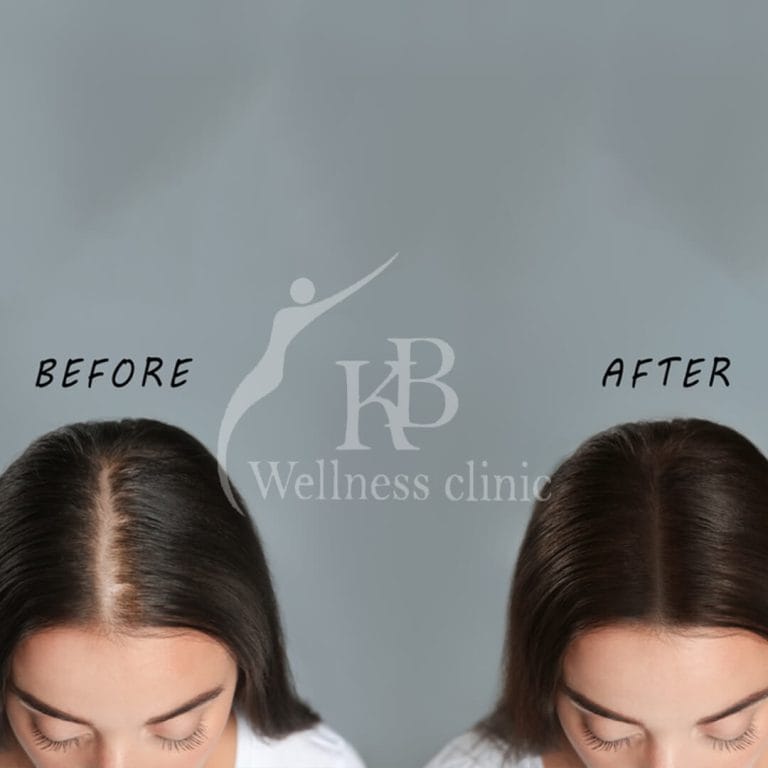
Care planned around the person, not a package.
Hair fall can reflect many factors, including genetics, stress, nutrition, illness, hormones, scalp conditions and styling practices. The clinic starts with the history and pattern instead of assuming a single cause. A plan may combine routine changes, supportive procedures, investigations or referral.
Hair concerns can have overlapping causes. An assessment-led plan looks at pattern, timing, scalp health, routine, nutrition, medicines and relevant medical factors before choosing supportive care.
What the consultation focuses on
Understand the pattern of hair loss
The clinic discusses this priority in relation to your history, preferences and realistic goals.
Support scalp and hair quality
The clinic discusses this priority in relation to your history, preferences and realistic goals.
Coordinate investigations when appropriate
The clinic discusses this priority in relation to your history, preferences and realistic goals.
Why individual assessment matters
Two people asking about the same treatment may need very different advice. Skin type, medical conditions, medicines, previous procedures, lifestyle, tolerance for downtime and the nature of the concern can all change the recommendation. Your consultation is the place to compare benefits, alternatives, limitations and cost before deciding.
Where photographs or measurements are useful, they are taken consistently and with consent. They help the clinic evaluate change more reliably than memory or day-to-day impressions.
Your care journey
Review onset, pattern, routine and health
We begin with the full context and identify any reasons to postpone, investigate or refer.
Discuss likely factors and treatment options
You receive an understandable plan covering options, likely course, costs, preparation and consent.
Photograph and monitor progress consistently
Response and comfort are reviewed before the programme is continued, changed or completed.
Before your appointment
Bring a list of current medicines, allergies, relevant diagnoses, previous procedures and the products or supplements you use. For skin or hair concerns, photographs showing an earlier flare or change can be helpful. Avoid booking an important event immediately after a procedure until you understand the likely recovery.
Aftercare and follow-up
Aftercare depends on the selected plan. You will be told what is normal, what to avoid, how to protect the treated area and when to contact the clinic. Seek prompt medical help for severe pain, breathing difficulty, visual symptoms, rapidly increasing swelling or any symptom that feels urgent.
Frequently asked questions
Is hair & scalp treatments right for everyone?+
No. Suitability depends on the concern, medical history, examination and expectations. The consultation may lead to this option, a different approach, referral or no treatment.
How many appointments will I need?+
The number and spacing of appointments vary. Dr. Kavita and the clinic team explain a proposed course only after assessment, then adjust it according to response and tolerance.
When should I expect a change?+
Timelines differ by treatment and by person. The clinic discusses realistic milestones, recovery and how progress will be documented rather than guaranteeing a fixed result.
